
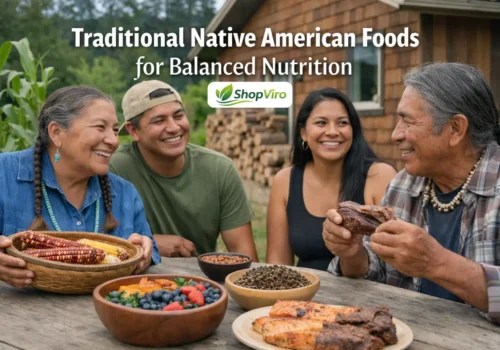
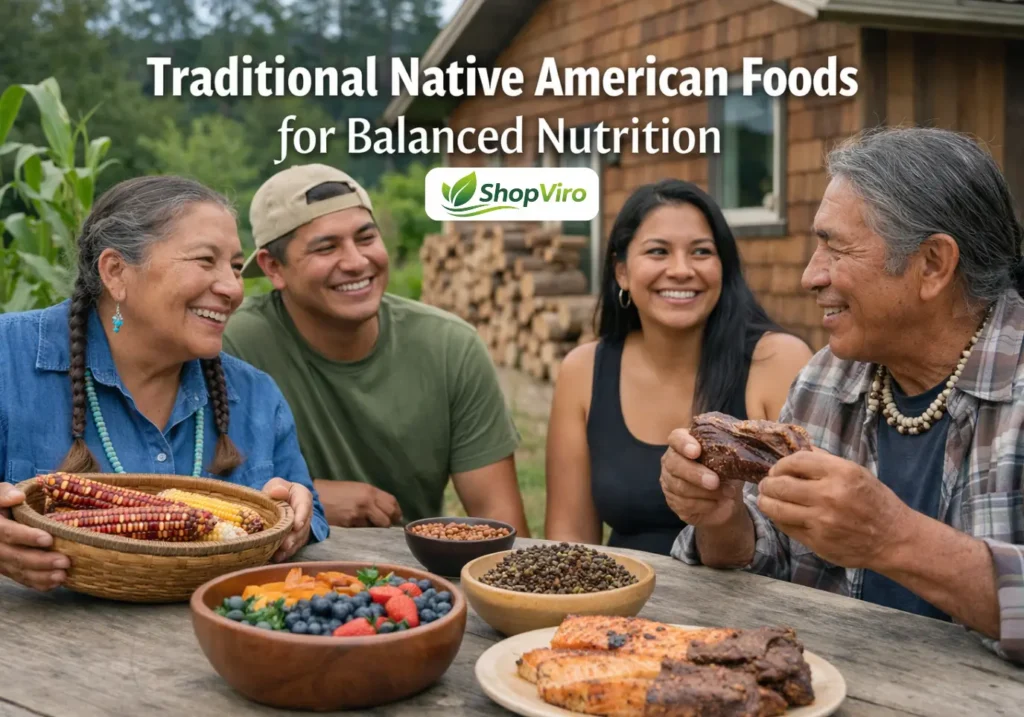
Traditional Native American foods have long supported balanced nutrition through diverse, regionally adapted, and ecologically grounded food systems. For thousands of years, Indigenous communities across what is now the United States cultivated, gathered, hunted, and preserved foods that promoted metabolic stability, seasonal balance, and community well-being. Therefore, when we examine these food traditions carefully, we find dietary patterns that align closely with modern nutritional science.
Moreover, these food systems were not random. They were intentional. They were shaped by climate, geography, and cultural knowledge passed down through generations. As a result, Traditional Native American foods often emphasize whole ingredients, plant diversity, lean proteins, and natural preparation methods. Consequently, they provide a valuable framework for those seeking sustainable and balanced eating patterns today.
At the same time, understanding these traditions requires cultural awareness and historical context. Indigenous foodways are not trends. They are living systems connected to sovereignty, land stewardship, and community resilience. Therefore, exploring them thoughtfully allows readers to appreciate both their nutritional value and their deeper significance.
In the sections that follow, you will discover how ancestral Indigenous food systems support balanced nutrition, how key ingredients function physiologically, and how these principles remain relevant today.
Alimentos tradicionais dos nativos americanos e fundamentos de uma nutrição equilibrada
Os alimentos tradicionais dos nativos americanos variam muito de região para região. No entanto, certos padrões nutricionais aparecem consistentemente em muitas tribos e nações. Por exemplo, a integração de alimentos básicos de origem vegetal com proteínas complementares criava refeições ricas em nutrientes sem processamento industrial.
As Três Irmãs: Um Modelo Nutricional de Sinergia
One of the most well-documented agricultural systems is the cultivation of corn, beans, and squash together. Often referred to as the “Three Sisters,” this system was practiced by many Indigenous communities in North America.
From a nutritional perspective, this combination is highly strategic. Corn provides carbohydrates and certain amino acids. Beans supply lysine, an amino acid limited in corn. Meanwhile, squash contributes fiber, vitamins, and antioxidants. Therefore, when consumed together, these foods form a more complete protein profile.
Additionally, this agricultural method supported soil health. Beans fix nitrogen into the soil. Corn provides structural support for climbing bean vines. Squash leaves protect soil moisture. Thus, the ecological model mirrors the nutritional balance.
Wild Game and Lean Protein Sources
Many Native American diets included wild game such as bison, deer, elk, and small game animals. These sources are naturally lean and high in protein. Moreover, they provide iron, zinc, and B vitamins.
According to data from the U.S. Department of Agriculture, wild game meats generally contain less saturated fat than many commercially raised meats. Consequently, they support cardiovascular health when consumed as part of a balanced pattern.
Fish also played a major role in many coastal and river-based communities. For instance, salmon was central to tribes in the Pacific Northwest. Fish contributes omega-3 fatty acids, which support heart and brain health. Therefore, traditional diets often contained anti-inflammatory nutrients long before modern research confirmed their value.
Foraged Plants and Micronutrient Density
In addition to cultivated crops, Indigenous food systems relied heavily on foraged plants. These included berries, wild greens, nuts, seeds, and roots. For example, chokecherries, blueberries, acorns, and camas root were regionally significant.
These foods are rich in fiber, antioxidants, and phytonutrients. Because they are minimally processed, they maintain their nutrient density. Furthermore, seasonal harvesting promoted dietary variety throughout the year.
As a result, traditional patterns supported gut health, immune resilience, and metabolic balance through diversity rather than restriction.
Regional Diversity Within Traditional Native American Foods
It is important to recognize that there is no single “Native American diet.” Foodways differed significantly by geography. However, each region developed nutritionally coherent systems adapted to local environments.
Southwest and Desert Regions
In arid climates, Indigenous communities cultivated drought-resistant crops such as tepary beans and certain varieties of corn. Additionally, they gathered cactus fruits and mesquite pods.
Tepary beans, in particular, are high in fiber and protein. Studies from university agricultural research programs have shown that they may support stable blood sugar levels. Therefore, these foods align with modern recommendations for metabolic health.
Moreover, the use of chili peppers added vitamin C and bioactive compounds such as capsaicin. Consequently, meals were both flavorful and functional.
Plains and Prairie Regions
On the Great Plains, bison was central to many communities. Bison meat is high in protein and iron, yet lower in fat compared to conventional beef. In addition, prairie turnips and wild onions contributed plant-based nutrients.
Food preservation techniques such as drying meat and berries allowed year-round access to nourishment. For example, pemmican combined dried meat, fat, and berries into a nutrient-dense food that could be stored for long periods. This reflects an understanding of caloric density and food security.
Northeast and Woodland Regions
In forested areas, maple sap, wild rice, cranberries, and various nuts were staples. Wild rice, which is botanically distinct from white rice, is high in protein and fiber.
Furthermore, maple syrup provided a natural sweetener. Unlike refined sugar, it contains trace minerals such as manganese and zinc. Therefore, even sweet foods were integrated within whole-food systems.
Nutritional Science and Ancestral Alignment
Modern nutritional science increasingly supports principles long embedded in Traditional Native American foods.
First, whole foods form the foundation. Highly processed products were absent. Second, plant diversity was emphasized. Third, protein sources were lean and often wild. Finally, seasonal eating encouraged variation and ecological awareness.
According to guidance from institutions such as the Centers for Disease Control and Prevention and the National Institutes of Health, balanced diets emphasize fruits, vegetables, whole grains, and lean proteins. Notably, these elements mirror Indigenous food systems.
However, historical disruptions, including forced relocation and loss of land access, altered food availability for many Native communities. Therefore, contemporary health disparities must be understood within that broader context. Addressing nutrition today involves both education and food sovereignty initiatives.
Core Nutritional Components of Traditional Native American Foods
Below is a simplified comparison of common traditional components and their nutritional contributions:
| Traditional Food | Primary Nutrients | Health Contribution |
|---|---|---|
| Corn (whole) | Complex carbs, fiber | Sustained energy |
| Beans | Protein, fiber, iron | Blood sugar stability |
| Squash | Vitamin A, antioxidants | Immune support |
| Wild game | Lean protein, B vitamins | Muscle maintenance |
| Salmon | Omega-3 fatty acids | Heart and brain health |
| Berries | Antioxidants, vitamin C | Cellular protection |
| Wild rice | Protein, fiber | Digestive health |
Legend: Nutrients and general wellness contributions of common traditional foods.
This pattern demonstrates balance. Carbohydrates are complex. Proteins are lean. Fats are often unsaturated. Fiber intake is naturally high. Therefore, the overall dietary profile supports metabolic health.
Cultural Knowledge and Food Sustainability
Traditional Native American foods are not only nutritionally balanced. They are also environmentally sustainable.
Agricultural practices emphasized biodiversity. Hunting practices were guided by seasonal cycles and respect for animal populations. Foraging followed ecological awareness.
Because of this, food systems were integrated into land stewardship. Nutrition and sustainability were not separate concerns. They were interdependent.
Today, many Indigenous-led initiatives promote traditional agriculture and food education. These efforts aim to restore both cultural continuity and community health. Consequently, they contribute to public health discussions across the United States.
Relevance for Modern Health-Conscious Adults
For individuals interested in ancestral diets, Traditional Native American foods offer practical insights.
First, they demonstrate the value of combining plant and protein sources. Second, they encourage variety rather than monotony. Third, they emphasize minimally processed ingredients.
Moreover, these foodways show that balanced nutrition does not require strict elimination. Instead, it requires thoughtful integration. For example, pairing whole grains with legumes enhances amino acid profiles. Including wild or sustainably sourced fish increases omega-3 intake.
However, it is important to approach these traditions respectfully. Cultural foods should not be reduced to trends. Instead, they should be acknowledged as living systems connected to communities and history.
Traditional Native American Foods in Contemporary Context
Interest in ancestral eating patterns continues to grow. However, adaptation must be grounded in accuracy and respect.
For example, incorporating foods such as wild rice, beans, squash, and berries into meals is both practical and evidence-based. At the same time, supporting Indigenous food producers strengthens community economies.
In addition, educational programs across universities and tribal colleges are revitalizing traditional agriculture. Therefore, modern engagement with these food systems can align nutrition, sustainability, and social awareness.
Frequently Asked Questions
- What are Traditional Native American foods?
They are regionally specific Indigenous foods such as corn, beans, squash, wild rice, berries, fish, and wild game that sustained communities for generations. - Are Traditional Native American foods healthy?
Yes. They typically emphasize whole ingredients, lean proteins, fiber-rich plants, and nutrient diversity, which align with modern dietary guidelines. - What is the Three Sisters agricultural system?
It is a traditional method of growing corn, beans, and squash together, creating both ecological and nutritional synergy. - Did Native American diets include processed foods?
Historically, diets relied on minimally processed ingredients, with preservation methods such as drying and smoking rather than industrial refinement. - Is wild rice healthier than white rice?
Wild rice contains more protein and fiber than white rice and provides additional micronutrients, making it a nutrient-dense option. - How did Indigenous communities preserve food?
Common methods included drying meat and berries, smoking fish, and storing crops for winter use. - Can these foods support modern balanced nutrition?
Yes. They naturally integrate complex carbohydrates, lean protein, healthy fats, and fiber, supporting metabolic and cardiovascular health. - Why is cultural awareness important when discussing Indigenous foods?
Because these food systems are connected to living communities, land stewardship, and historical resilience, and should be approached respectfully.
Conclusion: Integrating Ancestral Wisdom into Balanced Nutrition
Traditional Native American foods offer a model of balance grounded in ecology, culture, and nutritional coherence. They emphasize diversity, seasonal awareness, and whole ingredients. Moreover, they align closely with modern evidence-based dietary guidance. Therefore, studying these food systems provides both practical nutritional insights and a deeper understanding of sustainable living. By learning respectfully and applying these principles thoughtfully, individuals can support balanced nutrition while honoring the enduring knowledge embedded within Indigenous food traditions.
Relevant Resources for Further Reading
- Centers for Disease Control and Prevention – https://www.cdc.gov/nutrition
- National Institutes of Health – https://www.nih.gov
- USDA FoodData Central – https://fdc.nal.usda.gov
- Indigenous Food and Agriculture Initiative – https://www.indigenousfoodandag.com
- Native American Agriculture Fund – https://nativeamericanagriculturefund.org